

MERLO’ FIZZ.
SOON AVAILABLE. AUgust 2026.
THE FIRST TUSCAN GRAPE KOMBUCHA.
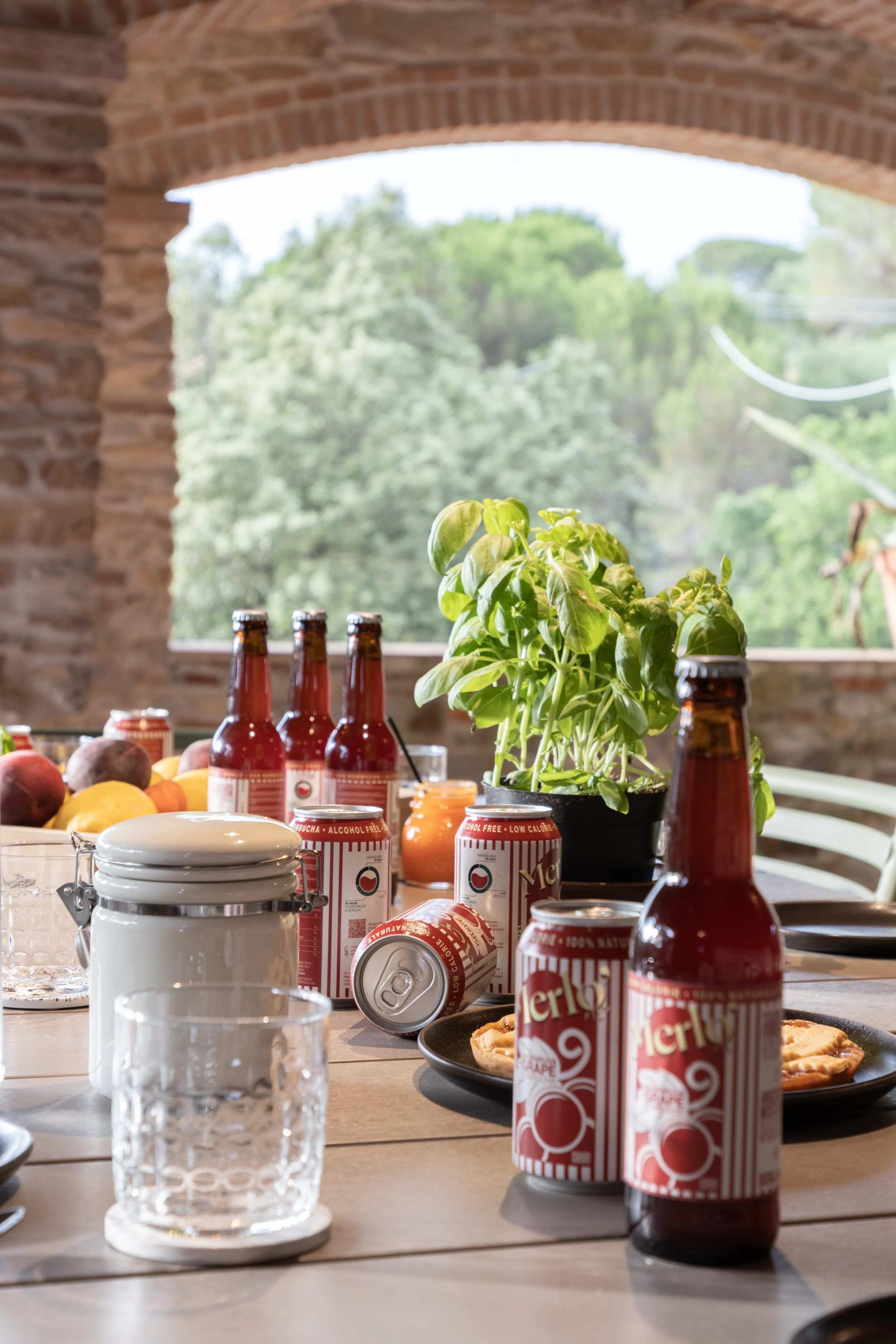
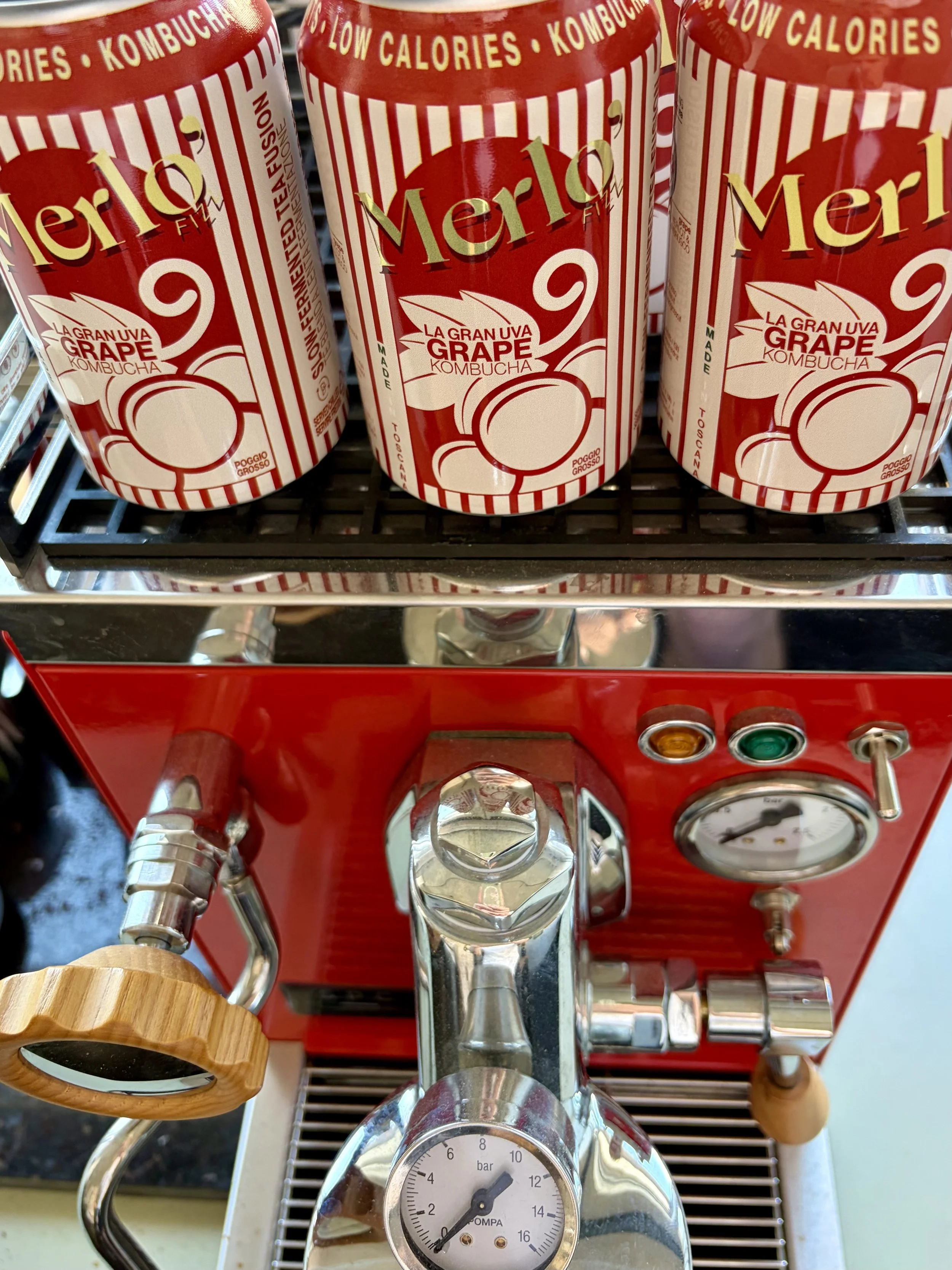
Kambucha… che cosa È?
Let’s skip the marketing jargon. Think of it this way: Kombucha is to tea what wine is to grapes, minus the alcohol. In other words, it’s a premium brewed tea transformed through a natural fermentation process. Some love it for its clean organic acids and antioxidant profile; others simply because it’s a radically crisp, sophisticated alternative to industrial soft drinks. No fluff, no shortcuts.
In our case, with pure Tuscan character!

That’s it. solo questo.
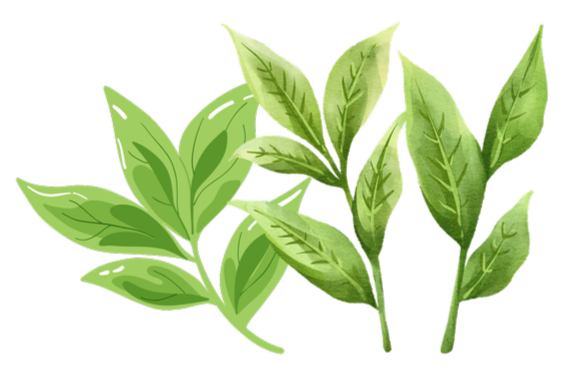
A premium blend of Darjeeling black tea combined with Gunpowder and Sencha green teas.
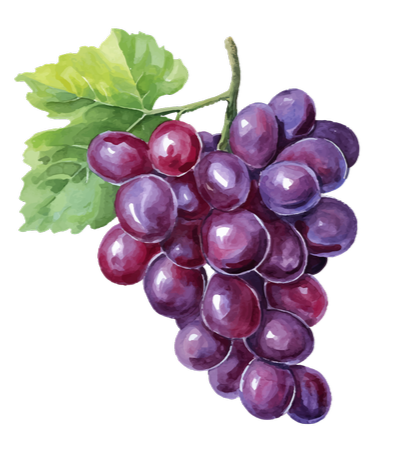
Freshly pressed Merlot grape juice.

The traditional symbiotic culture of bacteria and yeast that drives the initial transformation, naturally crafting the crisp organic acids.
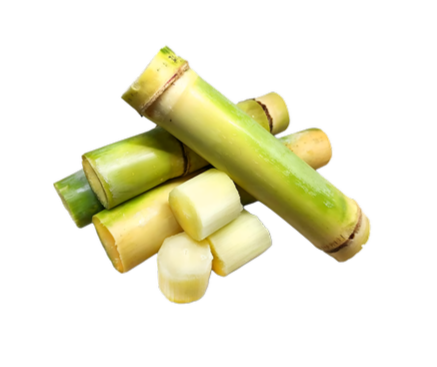
Employed purely as vital fuel for the culture. The sugars are entirely consumed during the fermentation.

The Process.
Dalla vigna alla lattina.
1. The Infusion
We start with a clean canvas. Premium tea leaves are steeped in pure water with organic sugar to create a balanced, antioxidant-rich base.
2. The Fermentation
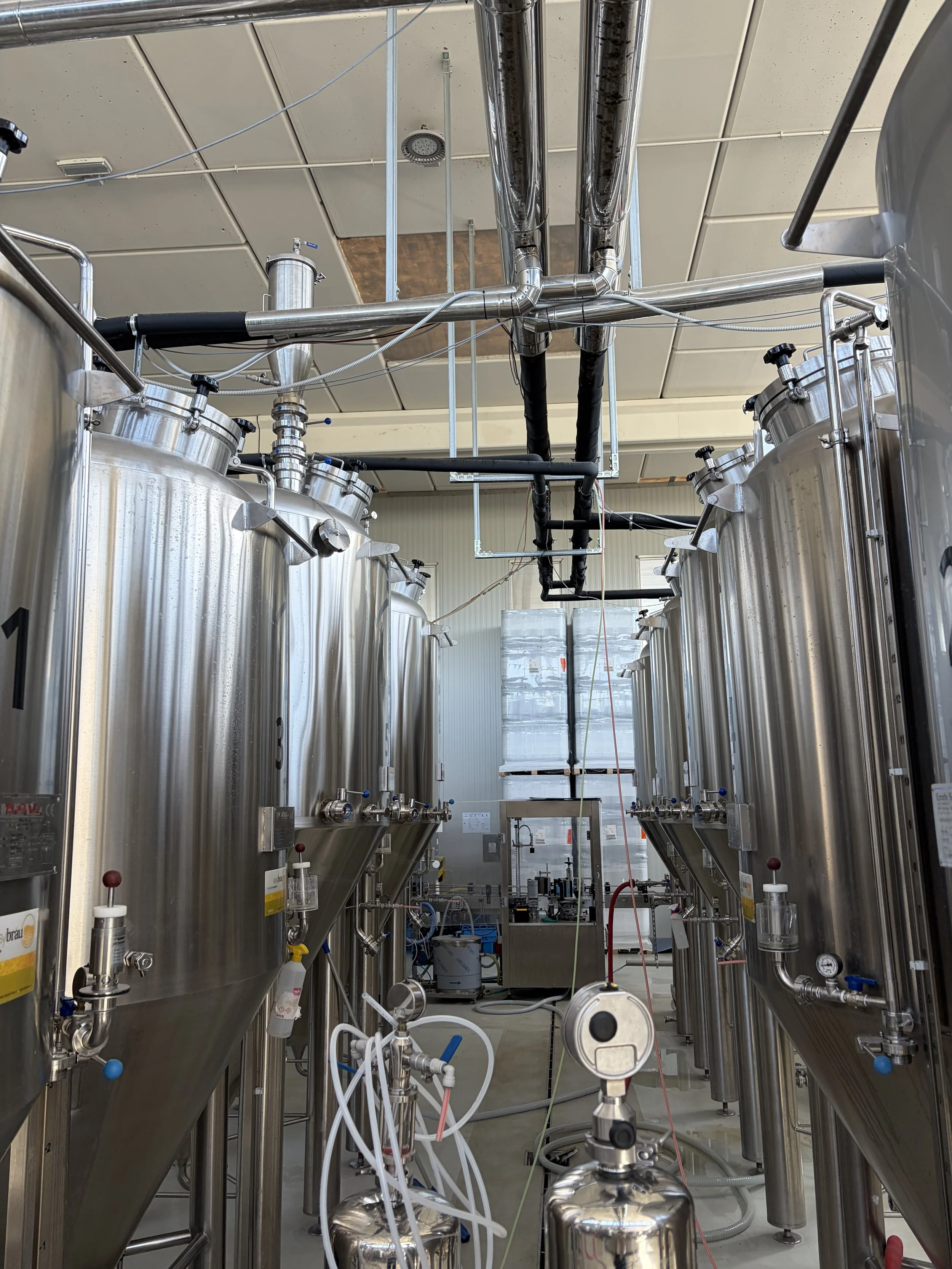
We introduce our SCOBY. Over several days, it naturally consumes the sugars, transforming the tea into a crisp, tart base packed with beneficial organic acids.
3. The Tuscan grape Blend
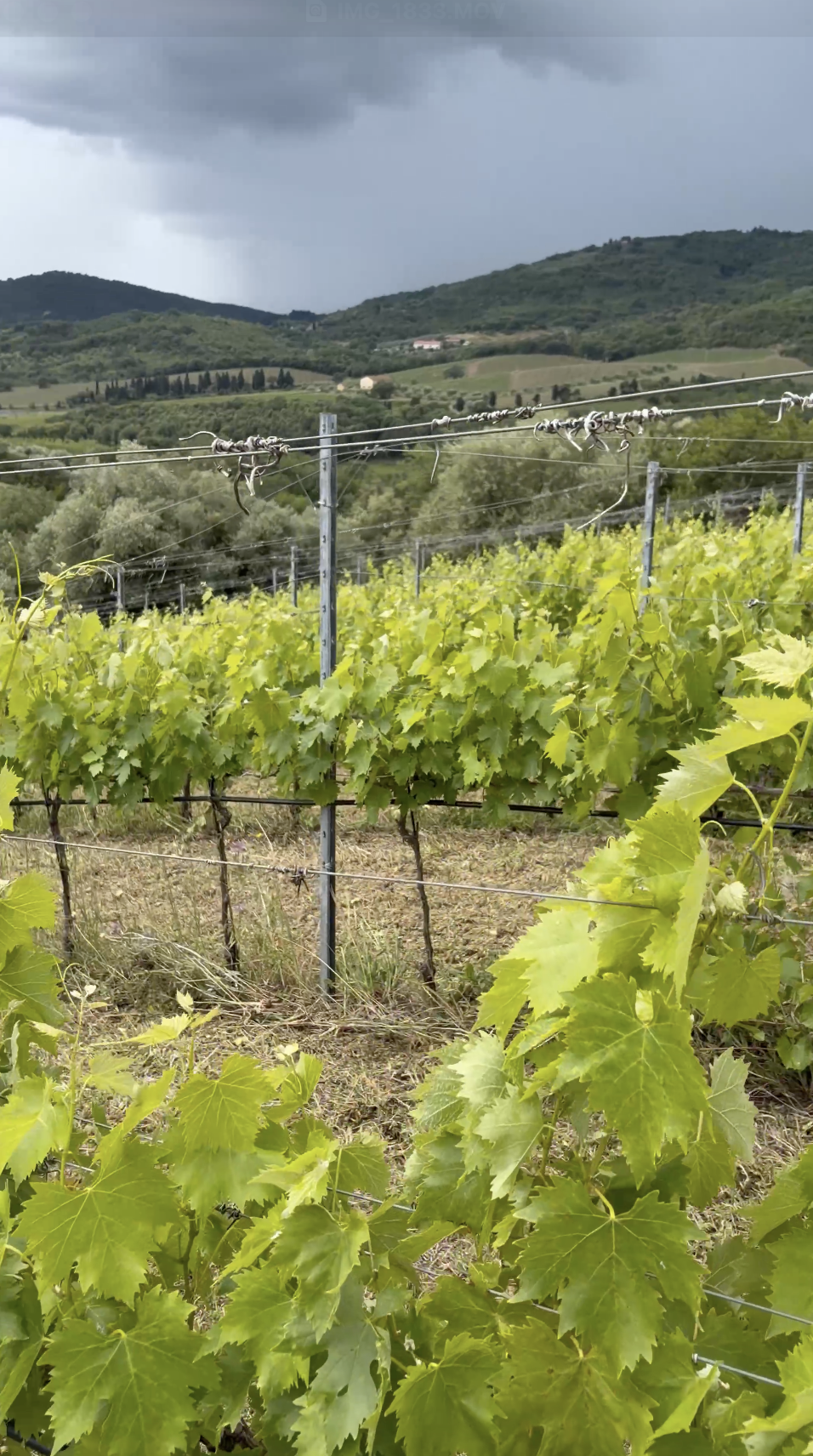
We blend the kombucha base directly with pure, raw Merlot grape juice from our vines, leaving its deep fruit structure, natural sweetness, and vivid character 100% intact.
4. CAPturing the Fizz
The final blend undergoes a precise carbonation to lock in a delicate, refreshing bubble before going straight into our minimalist cans and bottles. The result is an entirely shelf-stable, premium beverage. No chemical preservatives, no forced industrial jun, just pure Tuscan character, ready to be enjoyed ice-cold.

3. Organic Acid
The natural fermentation process produces beneficial organic acids, including acetic and gluconic acids, which completely survive our gentle stabilization. These compounds support your body’s natural balance and provide our signature, palate-cleansing tartness.
4. Low Sugar, No Trash
Traditional soft drinks are packed with industrial sugars. Merlo' Fizz rewrites the rules: during fermentation, our culture consumes the organic sugars, leaving a complex flavor profile at a mere 20 kcal per 100ml.
The deep color and sophisticated, wine-like structure come entirely from real tea and pure estate grape juice. Just 100% natural Tuscan character.
1. Slow-fermented
A patient, traditional slow fermentation of our premium tea blend. The base is flash-pasteurized at its absolute peak to permanently lock in its crisp organic acids and structural complexity.
2. Double Antioxidants
Our premium tea base is packed with naturally occurring polyphenols. By blending it with fresh Merlot mosto rosso, we introduce a second wave of grape-derived antioxidants that help protect cells from oxidative stress and provide a clean, vivace lift.
The Benefits.
Cosa fa per te?
We don’t use laboratory shortcuts or synthetic additives to mimic health trends. The benefits of Merlo’ Fizz are the direct result of traditional fermentation and raw agricultural ingredients.
want to have Merlo’ Fizz kombucha at your venue?
Ready to experience it or introduce a premium, estate-driven Tuscan fermentation to your menu? Drop us a brief note at the email below. Distribution is fully managed for seamless delivery.